By Bob Jensen
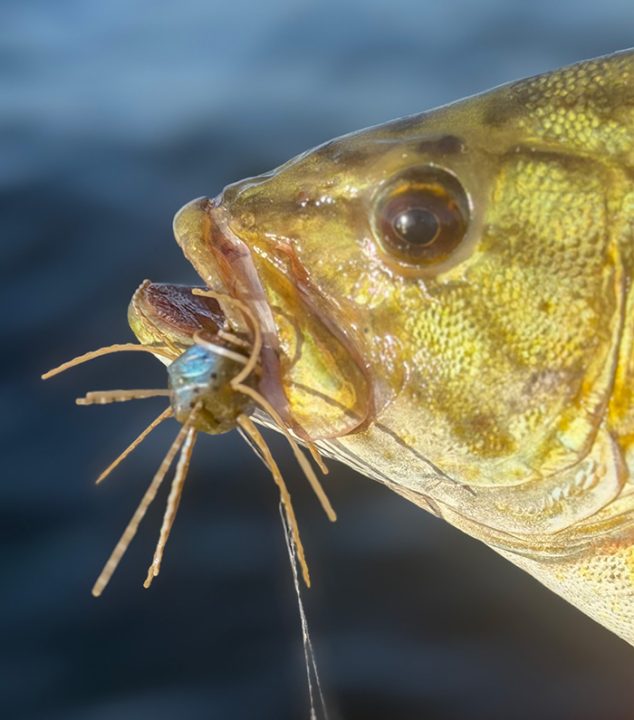
When it comes to fishing, there’s always a new lure or technique to try. For the past couple of years, I’ve been reading about “urchin” baits. Urchins are multi-tentacled baits that look odd, but a friend told me that he had been using an urchin bait called a Tumbleweed with outstanding success. He says that “if you put that Tumbleweed near a bass, they’re probably going to eat it.” These strange looking urchins reminded me of odd presentations that will at times put fish in the boat better than traditional presentations. Following are some of those “odd” presentations that aren’t so “odd” anymore.
When I was maybe three years old and starting to get interested in fishing, bobbers were a big part of my fishing. As I got older and more “knowledgeable” in my fishing, I got away from bobber fishing. I learned that bobbers were for beginners and that “knowledgeable” anglers didn’t use bobbers. I learned differently when I spent a day on the water with a very knowledgeable and successful angler who was also very well-known for his successes in walleye tournaments. He employed slip-bobbers for big-time walleye catches and tournament wins. Today, successful anglers know that there are times when a slip-bobber set-up is the way to go when walleyes or crappies are being fussy.
It was at least forty years ago when a friend and I were on a large Midwest lake fishing for walleyes during a mayfly hatch. A mayfly hatch usually means slow fishing. The lake was flat and there were lots of mayflies on the lake’s surface. We were fishing live bait rigs on the bottom, the go-to presentation for walleyes at that time. We knew, or thought we knew, that walleyes were always on the bottom. My friend noticed that every now and then a fish would slurp a mayfly off the surface. He was sure that some of those fish were walleyes. Since what we were doing wasn’t working, we decided to try something else. We tied on minnow-shaped crankbaits and started trolling. Within just a few minutes we had a walleye in the boat. A few minutes later, another. Each one had a mouthful of mayflies. What was happening was the insects hatched on the bottom of the lake and drifted to the surface. Walleyes followed them from the bottom to the surface. We need to put our bait where the fish are, not where we think they should be.
On another day, we found the walleyes on the bottom in about twenty feet of water. We were using quarter ounce jigs with plastic bodies and leeches on eight pound test line. The walleyes were hittin’ and spittin’ this set-up. When this happens, it usually works best to go to a lighter jig. But keeping a lighter jig on the bottom in deep water can be difficult due to water resistance. To get the lighter jig to the bottom, we used a plain jighead tipped with a leech and six pound line. No body and thinner line had less water resistance and enabled us to get the lighter jig to the bottom effectively. The walleyes held onto the lighter jig longer and gave us more time to set the hook.
Sometimes unusual baits or techniques will enable an angler to catch more fish. Be willing to experiment when the fish don’t want to bite and your catching will improve. Or, experiment when the fish are biting to see if they like a particular bait or technique even more than the one you’re using.
Photo Caption—This smallmouth couldn’t let a Tumbleweed get away.