
By Bob Jensen
Fall Fishing Patterns and Seasonal Fish Behavior
Autumn is in the air. It’s not as noticeable during the day, but air temperatures at night are getting colder and the locusts are louder. The leaves on trees are showing some red, yellow, and orange colors a little earlier than usual. Snakes, salamanders, and caterpillars are starting to show up on hard surfaces, especially after a rain, because those areas are a little warmer. These are just a few of the subtle signs that indicate that fall is closer than we might think.
Why Fish Feed More in the Fall
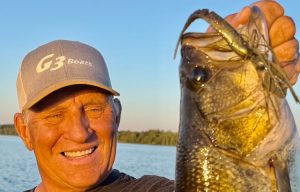
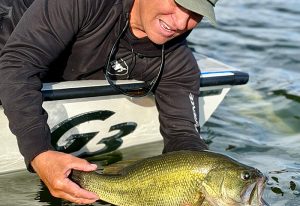
Walleyes, bass, and most other fish notice signs of the upcoming fall season also. Those signs tell the fish that they need to get ready for the cold waters of winter. To get ready for the extended period of colder water, fish add some weight, and to add that weight, they eat more than usual. Fish that want to eat are welcomed by those of us who like to catch fish.
Understanding Lake Turnover in the Fall
Most bodies of water go through some changes in the fall. Some are more noticeable than others. One of the changes that happens in a good number of lakes is called the turnover. Turnover is when the surface water cools, becomes denser, and sinks to the bottom of the lake. The water on the bottom then moves to the surface. The water in the lake “turns over.” After a few days, the surface water and the deeper water become about the same temperature.
How Turnover Affects Fishing Success
The feeding habits of the fish will get goofed up during this turnover. Catching can get tough. It works well to find a lake that has either completed the turnover or a lake where the turnover hasn’t started.
Where to Find Walleyes and Bass in the Fall
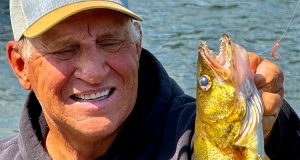
Fish can be in a lot of different places in the fall. It’s best to keep moving until the best pattern is determined. I’ve had outstanding walleye action casting Rage Swimmer style plastics on eighth ounce jigs to shallow, windblown points, and have also had outstanding action casting a crankbait like a Hornet to shallow structure and trolling the same bait in deeper water. Just like anywhere and anytime, you’ve got to find the fish and then give’em what they want.
Why Big Baits Work Better in the Fall
In the fall, big baits will be more appealing to the fish. The people who study fish explain that, in the fall, fish would prefer to eat one big meal rather than several smaller ones. Back in my musky fishing days, it was amazing how many big walleyes we caught while musky fishing. Those walleyes took ten to twelve inch musky baits very aggressively. We caught enough trophy walleyes while throwing musky baits to realize they weren’t being caught by accident. They wanted something big to eat.
Preparing Your Line and Tackle for Trophy Fis
If you’re on big fish water, your odds for catching a really big one are good. Probably the best of the year. Be sure that you’re confident that the line on your reel is suitable for big fish. If you’ve been using the same line all summer, you should strongly consider tying on some fresh stuff. Your line is the only link between you and perhaps the biggest fish you’ve ever caught. Take the time to tie on line that you know you can count on.
The fall season provides maybe your best bet for taking a trophy, and it’s also an outstanding time just to be on the water. You could have the lake to yourself, or you might be sharing the water with some migrating waterfowl. If you’re lucky enough to get on the water in the next few weeks, you might find out for yourself just how much autumn has to offer the angler.